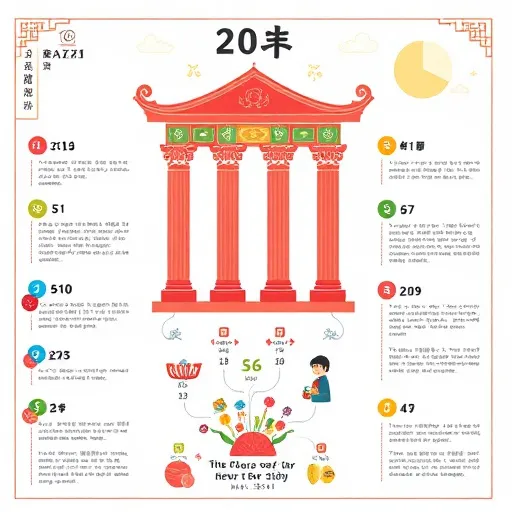
Four Pillars of Dest
What Exactly Are the Four Pillars of Destiny?
Let's keep this simple. The four pillars of destiny get their name from the four pillars that represent your birth year, month, day, and hour. Each pillar has two parts: a Heavenly Stem and an Earthly Branch. That's eight characters total—which is why you'll also hear it called BaZi. These eight characters form what practitioners call your destiny chart or life map.
Now here's where things get interesting. Every stem and branch links to one of the Five Elements: Wood, Fire, Earth, Metal, and Water. The balance—or imbalance—of these elements in your chart is believed to shape your personality, health tendencies, career inclinations, and even your relationships. For instance, someone with dominant Wood might be naturally growth-oriented and ambitious, while a person heavy in Water could be more intuitive and adaptable.
I know what you're thinking—"This sounds like astrology." And sure, there are surface-level similarities. But the four pillars of destiny operates on a totally different framework. It's rooted in the Chinese concept of Yin and Yang and the cyclical nature of time, not planetary positions. The precision involved—down to the hour of birth—makes it one of the most detailed systems of its kind.
The Historical Roots of the Four Pillars of Destiny and Why They Still Matter Today
The four pillars of destiny has been around for over a thousand years, developing through centuries of observation and refinement. Originally, it was used by scholars and nobles to understand life patterns and make strategic decisions. Fast forward to 2026, and this system has found a whole new audience—modern professionals, entrepreneurs, and even tech-savvy millennials who are curious about self-discovery beyond personality tests and horoscopes.
Why the resurgence? I think it's because people are craving deeper self-awareness. Generic personality quizzes can only tell you so much. The four pillars of destiny offers a granular, personalized lens that accounts for timing—something most modern self-help frameworks completely ignore. In an era of rapid change, understanding your lucky cycles and challenging periods can feel incredibly empowering.
The Five Elements and Yin Yang Balance: The Heart of the Four Pillars of Destiny System
You can't talk about the four pillars of destiny without diving into the Five Elements. This is the engine that drives the entire system. Let me walk you through each one:
Wood: The Growth Element. Wood represents expansion, creativity, and ambition. If Wood is strong in your chart, you're likely a visionary—someone who loves starting new projects and pushing boundaries. The downside? You might struggle with follow-through or feel restless when things stagnate.
Fire: The Expression Element. Fire is all about passion, communication, and visibility. People with prominent Fire tend to be charismatic and expressive. They light up a room. But an excess of Fire can lead to burnout or impulsiveness. Balance is key here.
Earth: The Stability Element. Earth grounds us. It's associated with reliability, nurturing, and practicality. If Earth dominates your chart, you're probably the person everyone counts on. The challenge? You might resist change or overthink decisions.
Metal: The Precision Element. Metal represents structure, discipline, and clarity. Metal-heavy individuals are often analytical and detail-oriented—great at systems and organization. But too much Metal can manifest as rigidity or perfectionism.
Water: The Wisdom Element. Water flows. It's linked to intuition, adaptability, and deep thinking. Water-dominant people are often introspective and wise beyond their years. However, an overabundance of Water can lead to overthinking or emotional sensitivity.
In the four pillars of destiny, the goal isn't to have one element dominate—it's to understand how these elements interact and find ways to harmonize them. A skilled practitioner can identify which elements are "favorable" for you and which ones create friction, then offer strategies to work with that dynamic rather than against it.
How the Four Pillars of Destiny Map Your Life Path and Relationships
Each pillar in the four pillars of destiny corresponds to specific life areas and time periods:
- Year Pillar: Represents your ancestry, early childhood (ages 0-15), and your public persona. It's about your roots and how the world sees you.
- Month Pillar: Governs your young adulthood (ages 16-30), career foundation, and relationship with parents or authority figures.
- Day Pillar: This is the most important one. The Day Stem represents YOU—your core self—while the Day Branch represents your spouse or closest partner. It covers ages 31-45 and speaks to your inner world and intimate relationships.
- Hour Pillar: Relates to your later years (ages 46+), children, legacy, and your private aspirations. It's the "hidden" you that emerges over time.
When you put all four pillars together, you get a multidimensional snapshot of your life journey. That's why two people born on the same day might have completely different readings—the hour of birth matters just as much as the date.
The Luck Pillars and Decade Cycles: Timing Your Moves with the Four Pillars of Destiny
Here's where the four pillars of destiny gets really practical. Beyond the natal chart, there's something called the Luck Pillars or Decade Pillars. These are 10-year cycles that add another layer of timing to your life. Each decade brings a new combination of elements that influences your opportunities and challenges.
Think of it like this: your natal chart tells you what kind of car you're driving. The Luck Pillars tell you what kind of weather you'll encounter on the road. You can't change your car, but you can absolutely prepare for the weather. That's the essence of strategic life planning with the four pillars of destiny.
Many practitioners in 2026 are using this timing framework to help clients make major decisions—changing careers, starting businesses, or even choosing when to relocate. Whether you buy into it completely or just use it as a reflective tool, the value is in the awareness it brings.
Common Misconceptions and Fatalism Myths About the Four Pillars of Destiny
Before we go further, let me clear up some things I hear all the time:
- "It's fatalistic." Nope. The four pillars of destiny doesn't say your life is predetermined. It identifies tendencies and timing—what you do with that information is up to you.
- "It's the same as Western astrology." Not even close. Different frameworks, different calculations, different philosophies. The only common ground is the idea that birth time matters.
- "You need to be Chinese to use it." Absolutely not. The system is universal. It's about elements and cycles, not cultural identity.
- "It's just superstition." Whether you view it as a spiritual tool or a psychological mirror, the four pillars of destiny offers a structured way to reflect on your strengths and blind spots. Many people find it genuinely useful for personal growth, regardless of their beliefs.
How to Get Started Reading Your Own Four Pillars of Destiny Chart
Curious about your own chart? Here's a practical roadmap:
- Get your exact birth data. You'll need your birth year, month, day, and hour. If you don't know the hour, some practitioners can work with what's called a "solar time" estimation, but exact is always better.
- Use a reputable calculator or consult a professional. There are many online tools for generating a four pillars of destiny chart. That said, interpreting the chart is where the real skill comes in. I always recommend consulting a seasoned practitioner for a full reading.
- Learn the basics yourself. Understanding the Five Elements and how they interact will give you a solid foundation for understanding your own chart.
- Apply the insights mindfully. Don't make life-altering decisions based on a single reading. Use the information as a lens, not a mandate.
The Four Pillars of Destiny in Modern Life: Career, Health, and Personal Growth in 2026
You might be wondering: does this ancient system actually have relevance in a world of AI, remote work, and digital nomadism? Surprisingly, yes—and maybe more than ever.
Let me give you a few examples. Career-wise, the four pillars of destiny can highlight whether you're naturally suited to leadership or collaborative roles, creative or analytical work, structured environments or flexible ones. In relationships, understanding your Day Pillar and the elements that support or clash with it can offer insights into compatibility and communication styles. For health, the Five Elements correlate with specific organs and systems, offering a holistic perspective that complements modern wellness practices.
I've spoken with professionals in 2026 who use the four pillars of destiny alongside conventional career coaching and even therapy. It's not a replacement for professional advice—it's an additional lens that adds depth and nuance.
Tips for Getting the Most Out of Your Four Pillars of Destiny Reading
If you decide to explore the four pillars of destiny, here are a few things I've learned along the way:
- Keep an open mind but stay grounded. Approach it with curiosity, not blind faith.
- Focus on actionable insights. The best readings give you something to work with—not just abstract predictions.
- Don't obsess over "bad" elements. Every element has a purpose. What looks like a weakness in one context is a strength in another.
- Revisit your chart over time. As you grow and your circumstances change, you'll notice new layers in your four pillars of destiny reading that you missed before.
- Find a practitioner you trust. The quality of the interpretation matters as much as the chart itself. Word of mouth and personal resonance are your best guides here.